In recent years, light therapy devices have gained popularity as innovative tools for improving mental and physical well-being. Harnessing the power of specific wavelengths of light, these devices are designed to address a range of conditions, from seasonal affective disorder (SAD) to skin issues like acne and psoriasis. As more people seek natural and non-invasive solutions to enhance their health, understanding how light therapy works and its potential benefits becomes increasingly important.
This article will delve into the various types of light therapy devices available on the market, exploring their mechanisms, applications, and efficacy. We will discuss the scientific principles behind light therapy, as well as provide insights into how individuals can effectively incorporate these devices into their wellness routines. Whether you’re looking to elevate your mood, improve your skin, or promote overall wellness, light therapy may hold the key to unlocking a brighter and healthier you.
Types and Mechanisms of Light Therapy
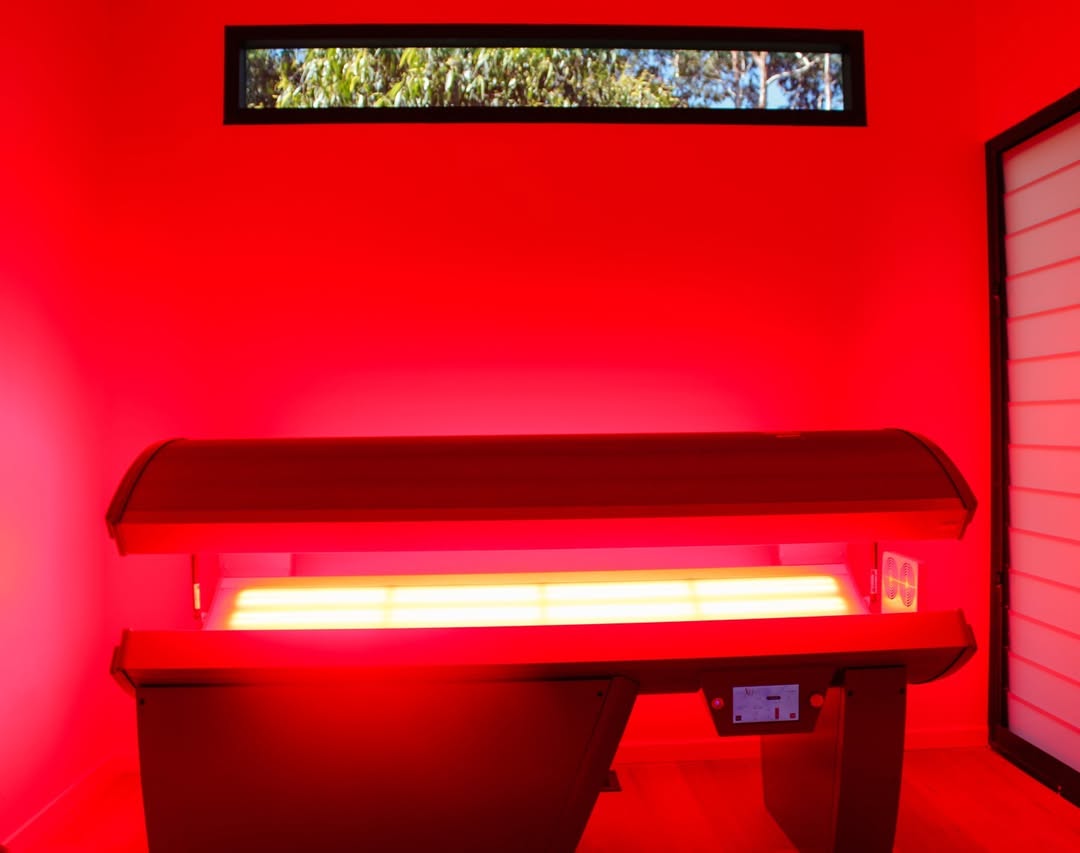
Light therapy encompasses various methods and devices, each tailored to target specific conditions using different wavelengths of light. For instance, bright white light is often employed to combat seasonal affective disorder (SAD), while blue light is effective against acne by killing bacteria that contribute to breakouts. Red and near-infrared light therapies focus on healing skin and reducing inflammation, making them suitable for treating conditions like psoriasis and acne scars. By stimulating the body’s natural healing processes, these Light Therapy Devices can promote cellular regeneration and improve overall skin texture and appearance.
Incorporating Light Therapy into Your Routine
Integrating light therapy into daily wellness routines can be straightforward and flexible, accommodating various lifestyles. Many users find that using devices for 20 to 30 minutes daily, especially during the darker months, helps uplift mood and enhances skin health. It’s essential to follow the manufacturer’s recommendations for optimal results, considering factors like distance from the light source and duration of exposure. By combining light therapy with other healthy practices, such as exercise and a balanced diet, individuals can create a holistic approach to well-being that maximizes the benefits of this innovative treatment.
In conclusion, light therapy devices offer a promising, non-invasive solution for enhancing both mental and physical health. Whether you are dealing with seasonal mood fluctuations, skin conditions, or simply looking to boost your overall wellness, these devices harness the power of specific light wavelengths to stimulate healing and promote balance. As research continues to validate the efficacy of light therapy, it becomes increasingly clear that incorporating these tools into daily routines can yield significant benefits. By understanding how to use them effectively and combining them with other healthy habits, individuals can unlock the potential of light therapy to illuminate their path toward a healthier, happier life.
About The Author