
Effective pest control is essential for maintaining a healthy and comfortable living environment. Pests, ranging from insects to rodents, can pose significant threats to our homes, gardens, and overall well-being. The presence of these unwanted creatures not only disrupts our daily lives but can also lead to property damage and potential health risks. Understanding the various methods of pest control, from preventative measures to eco-friendly solutions, is crucial for homeowners and businesses alike.
This article delves into the fundamentals of pest management, highlighting the importance of identifying specific pests and their habits. By exploring different control strategies—such as chemical treatments, biological control, and integrated pest management (IPM)—we aim to empower readers with the knowledge needed to effectively tackle pest problems while prioritizing safety and sustainability. Join us as we navigate through the world of pest control, ensuring a pest-free environment for all.
Identifying Common Pests
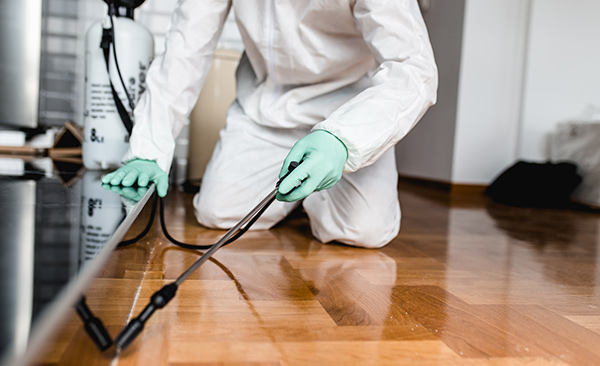
To implement effective pest control, the first step is accurately identifying the specific pests that are invading your space. Common household pests range from ants and cockroaches to rodents and termites, each requiring different treatment approaches based on their behavior and life cycles. For instance, a proactive approach to ants might involve sealing entry points and using bait traps, while rodent issues may necessitate traps or even professional assistance. Understanding these distinctions can greatly enhance the effectiveness of pest management efforts. For those located in New Castle seeking expert help, consider exploring Pest control services in Newcastle to ensure thorough and timely interventions.
Eco-Friendly Pest Control Methods
As the conversation around environmental sustainability grows, eco-friendly pest control methods are becoming increasingly popular. These strategies emphasize the use of natural solutions and repellents, minimizing the impact on non-target species and the environment. Techniques such as introducing beneficial insects, employing natural pesticides, and utilizing traps can effectively manage pest populations without harmful chemicals. Additionally, practices like maintaining cleanliness, reducing clutter, and proper food storage play a crucial role in prevention, ensuring that homes remain pest-free while also promoting a healthier living space.
In conclusion, successful pest control is a multifaceted approach that requires careful consideration of pest identification, management strategies, and environmental impact. By integrating various methods—ranging from traditional chemical treatments to innovative eco-friendly solutions—individuals and businesses can create comprehensive pest management plans tailored to their specific needs. This holistic perspective not only addresses immediate pest issues but also fosters long-term prevention and sustainability. Ultimately, staying informed and proactive is key to safeguarding our spaces against infestations, ensuring that we maintain a safe and healthy environment for ourselves and future generations.
About The Author