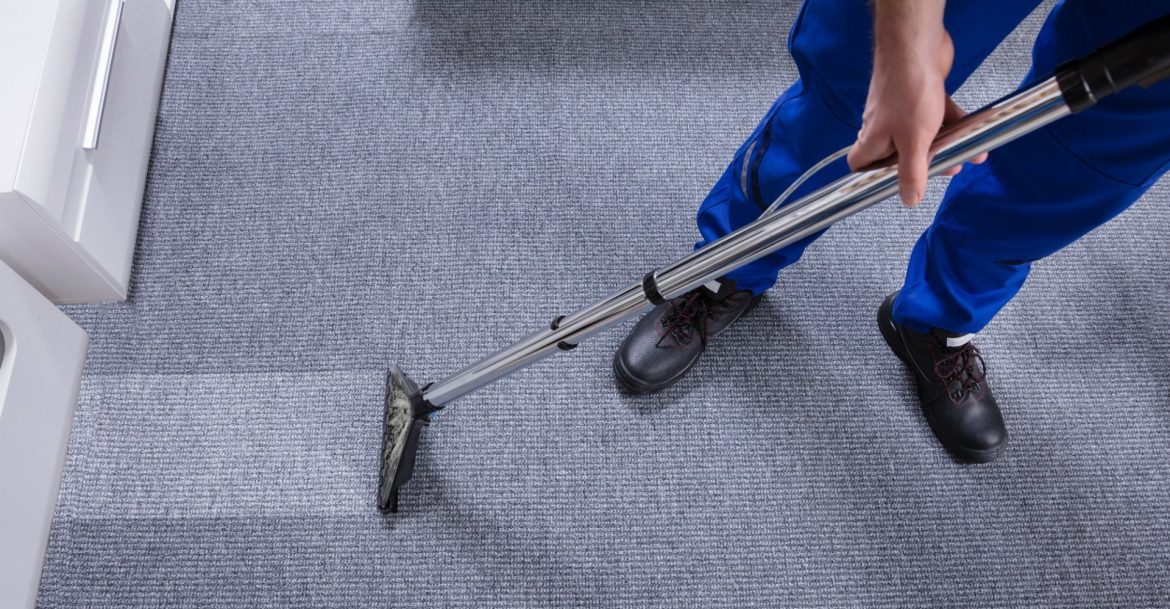
Vacuum cleaners have become an essential household appliance, revolutionizing the way we maintain cleanliness in our homes and workplaces. From their humble beginnings in the late 19th century to the advanced models we see today, these devices have not only transformed cleaning routines but also contributed significantly to improving indoor air quality. In an age where convenience and efficiency are paramount, understanding the various types of vacuum cleaners available can help consumers make informed choices to best suit their cleaning needs.
With advancements in technology, vacuum cleaners now come equipped with a range of features that cater to diverse cleaning challenges, from small apartments to large homes with pets. Innovations like bagless designs, HEPA filters, and robotic models continue to enhance the effectiveness and user experience of these machines. As we delve deeper into the world of vacuum cleaners, we will explore their different types, essential features, and tips for maximizing their performance, ensuring a cleaner, healthier living environment for everyone.
Types of Vacuum Cleaners
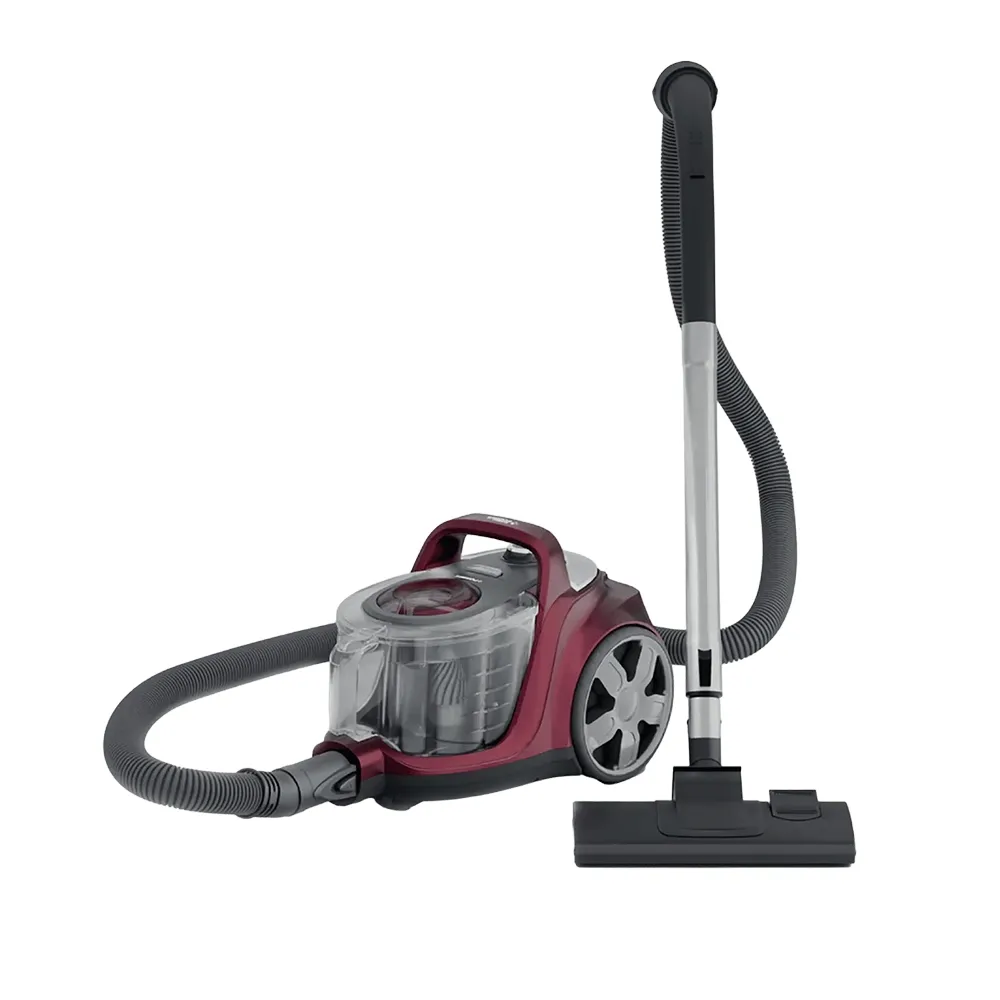
Vacuum cleaners can be categorized into several types, each designed to tackle specific cleaning tasks effectively. Upright vacuums are ideal for broad floor surfaces, providing robust suction and convenience. Canister vacuums offer versatility, allowing users to clean various surfaces, from carpets to hard floors, while also reaching tight spaces. Handheld vacuums are perfect for quick clean-ups and spot cleaning, especially in hard-to-reach areas. For those with pets, specialized models equipped with powerful brushes and filtration systems can significantly improve the effectiveness of hair and dander removal. To navigate the variety of available options, exploring vacuum cleaners for different cleaning needs can be extremely beneficial.
Essential Features to Consider
When choosing a vacuum cleaner, it’s essential to consider features that align with individual cleaning preferences and requirements. HEPA filters are crucial for those concerned about allergens, as they trap microscopic particles and improve air quality. Additionally, bagless designs simplify maintenance by eliminating the need for replacement bags, while adjustable suction settings help accommodate different surfaces. Corded versus cordless options also present various advantages; corded models tend to provide continuous power, whereas cordless vacuums offer greater mobility. By assessing these features, consumers can make informed decisions that enhance their cleaning routines and contribute to healthier living spaces.
In conclusion, vacuum cleaners have evolved into sophisticated tools that not only simplify household cleaning but also enhance the overall quality of our environments. With a myriad of options available, understanding the specific features and types of vacuums is key to selecting the right one for your needs. Whether you require the sheer power of an upright model, the versatility of a canister vacuum, or the convenience of a handheld device, there is a vacuum cleaner designed to address every challenge. Emphasizing the importance of technology, like HEPA filtration and smart design elements, is essential for ensuring efficient and effective cleaning. By making informed choices and utilizing the right equipment, consumers can maintain cleaner, healthier spaces that contribute to their overall well-being.
About The Author